
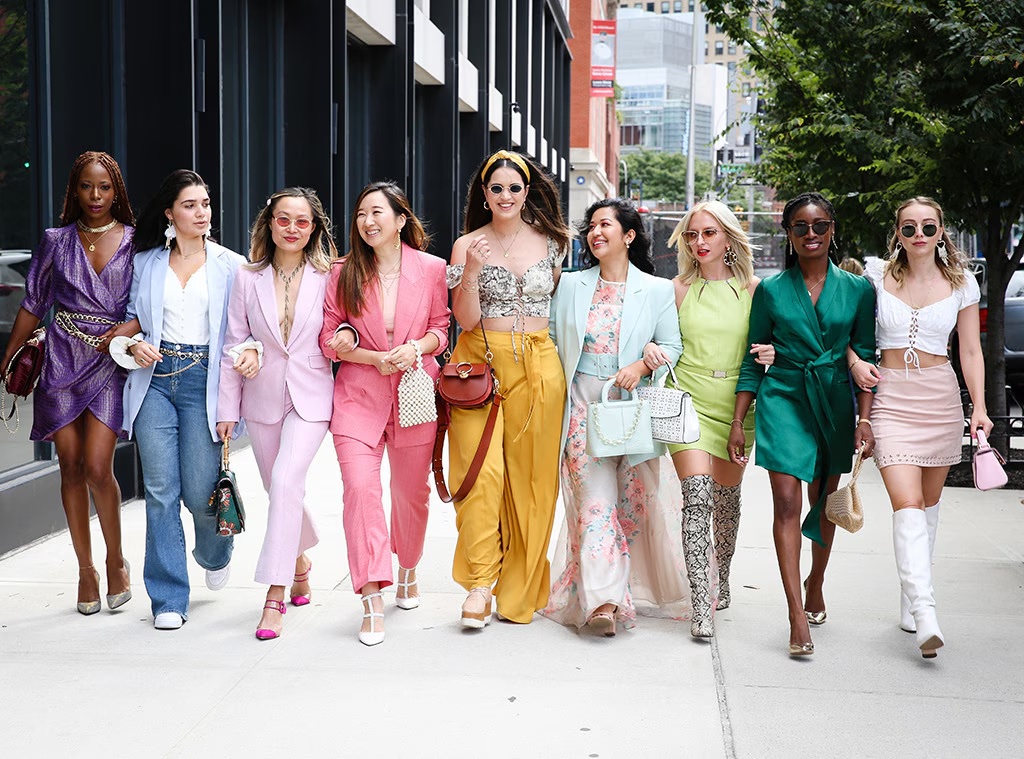

Fashion is far more than a mere reflection of clothing trends. It embodies cultural identity, personal expression, and social dynamics. From haute couture runways in Paris to street style in New York City, fashion serves as a powerful form of communication, reflecting society’s values, technological advancements, and individual creativity. Understanding the nuances of fashion allows one to appreciate its depth beyond aesthetics, making it a fascinating lens through which we view both history and modern life.
The Historical Evolution of Fashion
Fashion is intrinsically tied to history. Over centuries, clothing has transformed in response to societal changes, technological innovations, and global interactions.
Ancient and Medieval Fashion
In ancient civilizations, clothing served practical and symbolic purposes. For instance:
- Egyptian attire often indicated social status, with linen garments worn for their comfort in hot climates.
- Greek and Roman clothing emphasized draping and flowing fabrics, signifying elegance and philosophical ideals of balance.
- Medieval Europe saw fashion closely linked to class hierarchy. Luxurious fabrics like velvet and silk were reserved for royalty, while peasants wore durable, simple garments.
Fashion during these eras was not merely about style but communicated wealth, power, and social position.
Renaissance to 19th Century
The Renaissance sparked a fascination with art, luxury, and personal expression, which permeated clothing. Corsets, elaborate gowns, and ornate accessories became symbols of status and refinement. The Industrial Revolution in the 18th and 19th centuries further transformed fashion, making fabrics and garments more accessible while simultaneously promoting mass-produced clothing alongside bespoke tailoring.
20th Century Fashion Revolutions
The 20th century witnessed radical shifts in fashion ideology. Innovations like synthetic fabrics, mass media, and the rise of fashion houses transformed style into a global industry. Key movements included:
- 1920s Flapper Style: Women embraced shorter hemlines and loose silhouettes, reflecting a new sense of liberation.
- Post-War Fashion: The 1950s celebrated femininity with cinched waists and full skirts, while the 1960s and 70s brought youth-driven rebellion through miniskirts, bell-bottoms, and psychedelic prints.
- Modern Minimalism: The late 20th century favored clean lines, neutral tones, and functional design, paving the way for contemporary streetwear and high fashion collaborations.
Contemporary Fashion: Trends and Innovations
Today, fashion is more dynamic and diverse than ever, encompassing a blend of sustainability, technology, and cultural influences.
Sustainable and Ethical Fashion
The environmental and ethical impact of clothing production has become a central concern. Sustainable fashion focuses on reducing waste, utilizing eco-friendly fabrics, and supporting fair labor practices. Key approaches include:
- Upcycling and Recycling: Transforming discarded garments into new fashion pieces.
- Organic Materials: Cotton, hemp, and bamboo are increasingly popular due to their lower environmental footprint.
- Slow Fashion: Emphasizing quality over quantity, encouraging consumers to invest in timeless pieces rather than fast trends.
Technology and Fashion
Technological advancements have reshaped how fashion is created, marketed, and consumed:
- Digital Design Tools: Software like CLO 3D allows designers to create realistic garment simulations, streamlining production.
- Wearable Tech: Smart fabrics and clothing integrated with sensors are emerging in activewear and high-tech fashion lines.
- Virtual Fashion Shows: Platforms now host digital runway events, making fashion more accessible to global audiences.
Cultural Influences
Globalization has amplified the blending of cultural aesthetics in fashion. Traditional garments inspire contemporary designs, and streetwear movements draw from hip-hop, skateboarding, and local heritage. Fashion is increasingly inclusive, celebrating diverse body types, genders, and ethnic backgrounds, fostering a more democratic and expressive industry.
The Psychology of Fashion
Fashion is closely linked to human psychology. What people wear can influence their confidence, perception, and behavior.
Personal Identity and Expression
Clothing allows individuals to convey their personality, mood, and values without words. For instance, bold colors may signal confidence, while minimalist outfits suggest sophistication and restraint. Fashion is a tool for self-expression that can communicate individuality and creativity.
Social Perception
Fashion also affects how people are perceived in professional and social settings. Studies have shown that attire can impact first impressions, influence career opportunities, and even affect interpersonal interactions. Power dressing, for example, uses structured silhouettes and strong colors to convey authority and competence.
Fashion Industry Dynamics
The fashion industry is a complex ecosystem that balances creativity with commerce. Understanding its structure provides insight into global trends and economic impact.
Fashion Houses and Designers
Luxury fashion houses drive high-end innovation and set global trends. Iconic designers such as Coco Chanel, Giorgio Armani, and Alexander McQueen have left lasting imprints on aesthetics, influencing both mainstream and avant-garde styles.
Retail and E-Commerce
The rise of online shopping has transformed consumer behavior. Platforms like digital boutiques and social media marketplaces allow fashion enthusiasts to explore global trends, compare prices, and purchase items with ease. This shift has led to increased competition and innovation in marketing, from influencer collaborations to interactive virtual try-ons.
Fashion Marketing and Branding
Successful fashion brands invest heavily in storytelling, emphasizing heritage, exclusivity, or innovation. Marketing strategies increasingly leverage social media, influencer partnerships, and immersive experiences to connect with consumers on an emotional level, cultivating loyalty beyond mere product functionality.
Fashion in Everyday Life
Fashion is not limited to runways and advertisements. It shapes everyday interactions, workplace attire, and social gatherings. Understanding how to adapt trends thoughtfully ensures that style remains both personal and practical.
Dressing for Different Occasions
- Professional Settings: Structured blazers, tailored trousers, and subtle accessories project competence and reliability.
- Casual Outings: Versatile pieces such as denim, sneakers, and comfortable layers balance style with comfort.
- Formal Events: Evening gowns, tuxedos, and elegant footwear communicate sophistication and respect for tradition.
Accessorizing and Personal Style
Accessories can elevate an outfit, express personality, and reflect attention to detail. Popular choices include:
- Statement jewelry that draws focus to specific features.
- Scarves, belts, and hats that add layers and texture.
- Footwear that complements both form and function, from sneakers to classic heels.
Fashion and Pop Culture
Fashion and pop culture are intertwined. Celebrities, musicians, and influencers often dictate trends, while movies, music videos, and social media amplify specific aesthetics. For example, iconic red carpet looks often inspire mainstream adaptations, while viral streetwear trends highlight the cyclical nature of style evolution.
FAQ
Q: What is the difference between fast fashion and slow fashion?
Fast fashion prioritizes rapid production and trend replication, often at the cost of sustainability. Slow fashion emphasizes durability, ethical sourcing, and timeless designs, encouraging thoughtful consumption.
Q: How can one develop a personal fashion style?
Developing a personal style involves self-reflection, experimentation, and observation. Start with versatile basics, explore colors and patterns that resonate with you, and gradually incorporate statement pieces that express individuality.
Q: How does fashion impact the environment?
Traditional clothing production can generate significant waste, water consumption, and pollution. Sustainable practices, including using organic materials and recycling garments, help reduce environmental impact.
Q: Are fashion trends cyclical?
Yes, fashion trends often cycle, with past styles being reinterpreted for modern tastes. Understanding historical trends can help anticipate which looks may resurface.
Q: Can fashion influence confidence?
Absolutely. Wearing clothing that aligns with personal taste and social context can enhance self-esteem, affect body language, and improve how one is perceived by others.
Fashion is an intricate, ever-evolving art form that reflects society, culture, and individuality. By understanding its historical roots, psychological impact, and contemporary dynamics, one can appreciate fashion as a multidimensional phenomenon, where personal expression meets global innovation. This exploration encourages not just consumption but conscious participation in a world where style is both personal and universal.

Comments are closed.