
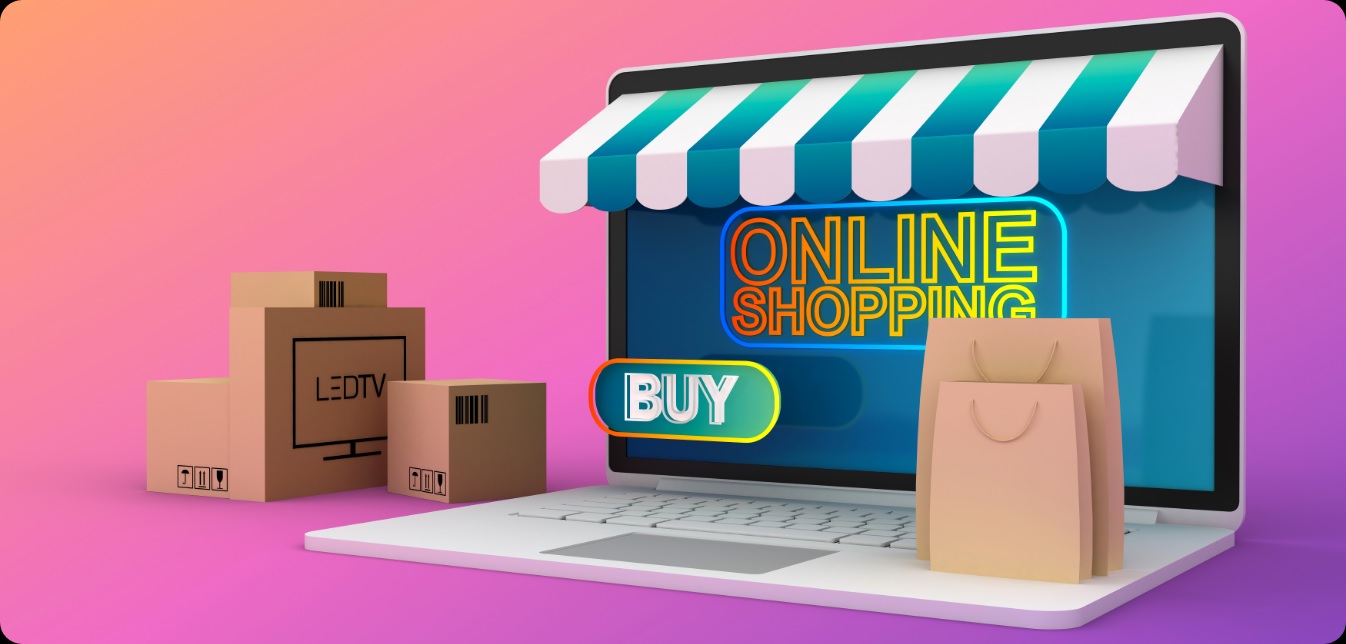

The concept of an online shop has revolutionized commerce, offering unprecedented convenience, accessibility, and variety for consumers worldwide. Online shopping has evolved from a niche practice into a central component of modern retail, driven by technological innovation, changing consumer behavior, and global connectivity. Understanding the multifaceted dynamics of online shops involves exploring their history, business models, technological infrastructure, marketing strategies, and future trends.
The Evolution of Online Shops
Online shopping began as a novel idea in the early 1990s but has rapidly transformed into a global phenomenon.
Early Beginnings
- The first e-commerce platforms emerged in the 1990s, with companies experimenting with selling books, electronics, and niche products online.
- Limited internet penetration and consumer trust posed initial challenges, but early adopters recognized the potential for convenience and reach.
Expansion in the 2000s
- Increased broadband access and secure payment technologies accelerated the growth of online shops.
- Businesses diversified their offerings, and online marketplaces became a central hub for buyers and sellers.
- Features like customer reviews, recommendation engines, and secure checkout processes helped build trust and repeat engagement.
Present-Day Online Shops
Today, online shops operate in nearly every retail category, offering global reach, personalized experiences, and integrated logistics solutions. They are accessible via desktops, mobile apps, and social media platforms, reflecting a seamless shopping experience that caters to modern lifestyles.
Key Components of a Successful Online Shop
Running an effective online shop requires attention to technological, operational, and marketing aspects.
Website and Platform Infrastructure
A robust platform ensures smooth navigation, secure transactions, and scalability. Essential elements include:
- User-Friendly Design: Intuitive layouts, clear product categories, and responsive design for mobile and desktop users.
- Secure Payment Systems: Integration with payment gateways that support credit cards, digital wallets, and alternative methods.
- Inventory Management: Real-time tracking of stock levels, automated updates, and integration with suppliers.
- SEO Optimization: Optimized product pages, metadata, and content to improve visibility on search engines.
Product Selection and Presentation
The range and quality of products define the appeal of an online shop. Effective strategies include:
- High-resolution images and detailed descriptions highlighting features, dimensions, and materials.
- Customer reviews and ratings to build trust and provide social proof.
- Categorization and filtering tools for easier navigation and discovery.
Customer Experience and Engagement
Customer satisfaction drives loyalty and repeat business. Key practices include:
- Fast and reliable shipping options, including tracking and flexible delivery windows.
- Responsive customer service via chatbots, email, or phone support.
- Personalization features such as product recommendations, wish lists, and loyalty programs.
Business Models in Online Shopping
Different online shop models cater to various market needs and operational strategies.
Business-to-Consumer (B2C)
- Traditional e-commerce model where businesses sell directly to individual customers.
- Examples include retail brands, fashion outlets, electronics stores, and specialized niche shops.
- B2C shops often leverage social media, email marketing, and influencer partnerships to drive traffic and sales.
Consumer-to-Consumer (C2C)
- Platforms that allow individuals to sell products to other individuals, creating marketplaces for used or handmade goods.
- Examples include online classifieds, auction sites, and peer-to-peer marketplaces.
- Trust-building mechanisms, such as user ratings and secure payment systems, are crucial in C2C environments.
Business-to-Business (B2B)
- Focused on transactions between companies, often involving bulk orders, recurring purchases, or specialized products.
- Requires integration with enterprise systems, invoicing, and often long-term supplier relationships.
- Marketing strategies prioritize account management, loyalty incentives, and technical specifications.
Marketing Strategies for Online Shops
Effective marketing distinguishes successful online shops in competitive digital landscapes.
Search Engine Optimization (SEO)
- Optimizing product pages, blog content, and metadata increases organic visibility.
- Keyword research ensures alignment with what potential customers are searching for.
- Backlinking and content marketing reinforce credibility and improve rankings.
Social Media Marketing
- Social platforms are critical for brand awareness, engagement, and sales.
- Strategies include targeted ads, influencer collaborations, and interactive content such as polls, stories, and live shopping events.
- Social proof, including customer testimonials and user-generated content, enhances credibility.
Email and Content Marketing
- Personalized email campaigns provide product recommendations, promotions, and reminders.
- Content marketing, including blog posts, guides, and tutorials, positions the shop as a trusted authority in its niche.
- Segmentation and analytics help tailor messages for maximum impact and engagement.
Paid Advertising and Retargeting
- Paid campaigns on search engines and social media drive immediate traffic.
- Retargeting strategies remind visitors of abandoned carts or previously viewed products, boosting conversion rates.
- A/B testing of ads and landing pages optimizes performance and ROI.
Logistics and Fulfillment
Efficient logistics are critical to customer satisfaction and operational success.
Inventory and Supply Chain Management
- Real-time inventory tracking ensures product availability and reduces overselling.
- Supplier relationships and contingency planning mitigate delays or stock shortages.
- Integration with warehouse management systems streamlines order processing and fulfillment.
Shipping and Delivery
- Fast, reliable shipping options enhance the customer experience.
- Transparent tracking and proactive communication reduce anxiety and improve trust.
- Flexible options, such as same-day delivery, curbside pickup, or subscription boxes, cater to diverse consumer preferences.
Returns and Customer Service
- Clear return policies and hassle-free processes foster trust and loyalty.
- Responsive customer service addresses issues promptly, enhancing the overall shopping experience.
- Data from returns can inform product quality, sizing adjustments, and inventory management.
Technology Trends Shaping Online Shops
Emerging technologies continue to redefine online shopping.
Artificial Intelligence and Personalization
- AI algorithms provide personalized product recommendations, chatbots for customer service, and dynamic pricing strategies.
- Predictive analytics anticipate customer behavior, improving inventory planning and marketing effectiveness.
Augmented Reality and Virtual Experiences
- AR enables virtual try-ons for clothing, accessories, and furniture, reducing uncertainty and returns.
- Virtual showrooms allow immersive exploration of products, bridging the gap between online and in-store experiences.
Mobile Commerce and Payment Innovations
- Mobile apps streamline the shopping experience with one-click purchases, saved payment details, and push notifications.
- Digital wallets, cryptocurrency options, and contactless payments increase convenience and security.
Challenges and Solutions
While online shops offer immense opportunities, they also face challenges:
- High Competition: Differentiation through branding, unique offerings, and superior service is essential.
- Cybersecurity Risks: Implementing encryption, secure payment systems, and privacy policies protects customer data.
- Customer Retention: Loyalty programs, personalized experiences, and consistent engagement improve retention.
- Logistics Complexity: Partnerships with reliable carriers, automated systems, and predictive analytics optimize fulfillment.
FAQs
Q: How can I start an online shop with minimal investment?
Focus on niche products, leverage dropshipping, and use existing e-commerce platforms with built-in tools for inventory and payments.
Q: What makes an online shop trustworthy to customers?
Secure payment gateways, transparent policies, customer reviews, and responsive support build trust.
Q: How can I increase sales in my online shop?
Use a combination of SEO, social media marketing, personalized recommendations, retargeting ads, and email campaigns.
Q: What are the key differences between B2C and B2B online shops?
B2C focuses on individual consumers, emphasizing branding and marketing, while B2B prioritizes long-term relationships, bulk transactions, and technical specifications.
Q: How do I handle returns efficiently in an online shop?
Implement clear policies, integrate a streamlined process, and communicate openly with customers to maintain satisfaction.
Online shops are transforming how we engage with products, offering convenience, accessibility, and a personalized experience. By understanding the interplay of technology, marketing, logistics, and customer psychology, entrepreneurs and retailers can create compelling online shopping platforms that cater to the modern consumer while sustaining long-term growth and trust.

Comments are closed.