
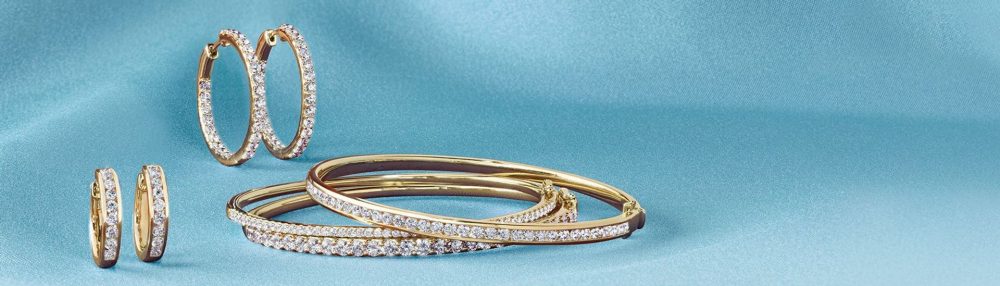

Jewelry has transcended mere adornment to become a symbol of cultural identity, personal expression, and social status. Its allure is universal, cutting across time periods, geographies, and social classes. The art of jewelry encompasses historical significance, technical craftsmanship, materials science, and evolving consumer trends. Understanding jewelry in a holistic manner allows both enthusiasts and collectors to appreciate its aesthetic and intrinsic value.
The Historical Significance of Jewelry
Jewelry’s origins trace back thousands of years, reflecting the technological, social, and cultural developments of human societies.
Prehistoric and Ancient Jewelry
- Prehistoric Adornments: Early humans used bones, shells, and stones as adornments. These items often carried symbolic meanings, such as protection, fertility, or spiritual connection.
- Egyptian Jewelry: Gold craftsmanship and elaborate gemstone settings reflected social hierarchy, religious beliefs, and funerary practices. Scarabs and amulets were particularly significant as talismans of protection.
- Mesopotamian and Indus Valley Jewelry: These civilizations utilized intricate beadwork, semi-precious stones, and metalwork to denote wealth, civic status, and artistic sophistication.
Classical and Medieval Jewelry
- Greek and Roman Influence: Jewelry design incorporated mythology, civic pride, and personal achievements. Techniques such as granulation and filigree became prominent.
- Medieval Europe: Jewelry was a marker of nobility and royalty, often combining religious symbolism with luxury materials. Rings, brooches, and pendants frequently conveyed allegiance and wealth.
- Renaissance Jewelry: Artists integrated innovative enamel work, gemstone cutting, and symbolic motifs, reflecting humanism and artistic sophistication.
Modern Developments
- The 19th and 20th centuries saw industrialization and mass production alongside high-end artistry.
- Movements such as Art Nouveau and Art Deco emphasized organic motifs, geometric precision, and the interplay of color and texture.
- Jewelry became accessible beyond elite classes, democratizing design while maintaining avenues for luxury expression.
Materials Used in Jewelry
The choice of materials defines both aesthetic appeal and value.
Precious Metals
- Gold: Valued for malleability, lustrous finish, and resistance to tarnish. Karat levels determine purity, with higher karats signifying greater intrinsic value.
- Silver: Popular for versatility and affordability, silver has been a staple of decorative and ceremonial jewelry for centuries.
- Platinum: Known for durability and rarity, platinum is frequently used in high-end rings, settings, and custom pieces.
Gemstones
- Diamonds: Represent strength, endurance, and luxury. Cut, clarity, color, and carat determine market value.
- Colored Gemstones: Rubies, sapphires, emeralds, and topaz carry unique symbolic meanings and historical significance.
- Semi-Precious Stones: Stones like amethyst, garnet, and peridot provide vibrant options for artistic expression without the high cost of rare gems.
Alternative and Sustainable Materials
- Recycled metals and lab-grown gemstones are gaining traction due to ethical and environmental concerns.
- Materials like titanium, ceramic, and synthetic crystals offer durability and aesthetic flexibility.
Jewelry Craftsmanship and Techniques
Craftsmanship is the backbone of high-quality jewelry, combining artistry with precision.
Metalworking Techniques
- Casting: Molten metal is poured into molds to create complex designs.
- Filigree: Fine wires are twisted into ornamental patterns, highlighting intricate skill.
- Engraving: Decorative carving or etching adds detail and personalization to pieces.
Stone Setting Methods
- Prong Setting: Secures gemstones while maximizing light exposure.
- Bezel Setting: Encircles the stone in metal for durability and safety.
- Pavé and Micro-Pavé: Tiny gemstones closely set to create a continuous sparkle effect.
Design Considerations
- Jewelry design balances aesthetics, ergonomics, and durability.
- Personalized touches, such as engraving or custom gemstone arrangements, enhance sentimental and market value.
Cultural and Social Significance
Jewelry transcends aesthetics, often serving as a medium of cultural expression, social signaling, and personal narrative.
Symbolism and Status
- Rings: Engagement, wedding, or class rings communicate commitment, achievement, or belonging.
- Necklaces and Pendants: Can reflect faith, ancestry, or personal milestones.
- Cultural Jewelry: Ethnic and traditional jewelry conveys identity, heritage, and ritual significance.
Emotional Value
- Jewelry often becomes a family heirloom, passing stories and values across generations.
- Customized jewelry fosters emotional connections, enhancing its personal and sentimental significance.
Modern Trends in Jewelry
Jewelry continues to evolve in response to technology, fashion, and consumer consciousness.
Personalization and Customization
- Custom rings, engraved pendants, and bespoke collections allow individuals to express identity and mark life milestones.
- Monogrammed and birthstone jewelry remains popular for commemorative purposes.
Sustainability and Ethical Sourcing
- Ethical diamonds and recycled metals appeal to environmentally and socially conscious consumers.
- Certifications and transparency regarding origin and production enhance trust and market value.
Technology Integration
- 3D printing enables rapid prototyping and intricate designs previously impossible by hand.
- Lab-grown gemstones replicate natural stones with ethical advantages and cost savings.
- Wearable technology incorporates fitness tracking or connectivity without sacrificing aesthetics.
Fashion-Forward Innovations
- Stackable rings, layered necklaces, and mix-and-match sets provide versatility.
- Minimalist and statement styles cater to diverse preferences, reflecting lifestyle and personality.
- Collaborations between designers and artists create limited-edition, collectible pieces.
Jewelry in Everyday Life
Jewelry enhances daily living beyond fashion, offering functional and symbolic value.
Styling and Coordination
- Jewelry complements clothing, balancing color, texture, and silhouette.
- Matching metal tones, gemstone colors, and designs enhances personal aesthetics.
Commemorative and Gift Purposes
- Jewelry marks milestones such as birthdays, anniversaries, graduations, or achievements.
- It offers a lasting and meaningful alternative to transient gifts, providing both aesthetic pleasure and emotional resonance.
Investment and Collecting
- High-quality gemstones, precious metals, and limited-edition pieces often appreciate in value.
- Collectors consider provenance, rarity, designer reputation, and craftsmanship when investing.
FAQs
Q: How can I determine the quality of jewelry?
Examine materials, craftsmanship, gemstone grading, and brand reputation. Certified stones and detailed documentation provide additional assurance.
Q: Are lab-grown gemstones as valuable as natural ones?
Lab-grown stones are chemically identical to natural gemstones but typically have lower resale value. They offer ethical sourcing and affordability without compromising aesthetics.
Q: How should I care for my jewelry?
Regular cleaning, proper storage, and occasional professional inspection prevent tarnish, wear, and damage. Avoid exposure to chemicals and extreme conditions.
Q: Can jewelry have cultural or spiritual significance?
Yes. Many pieces represent heritage, rituals, or beliefs. Wearing such jewelry reflects identity and cultural pride.
Q: Is jewelry a reliable investment?
Certain pieces, especially rare gemstones and high-quality metals, can appreciate in value over time. Investment potential depends on rarity, market trends, and craftsmanship.
Jewelry is a timeless synthesis of art, culture, and value. Its appeal extends from personal adornment to symbolic expression, from fashion statements to investment assets. By exploring its historical context, materials, craftsmanship, cultural significance, and modern innovations, one gains a comprehensive appreciation for jewelry as both an aesthetic and enduring human pursuit.

Comments are closed.