
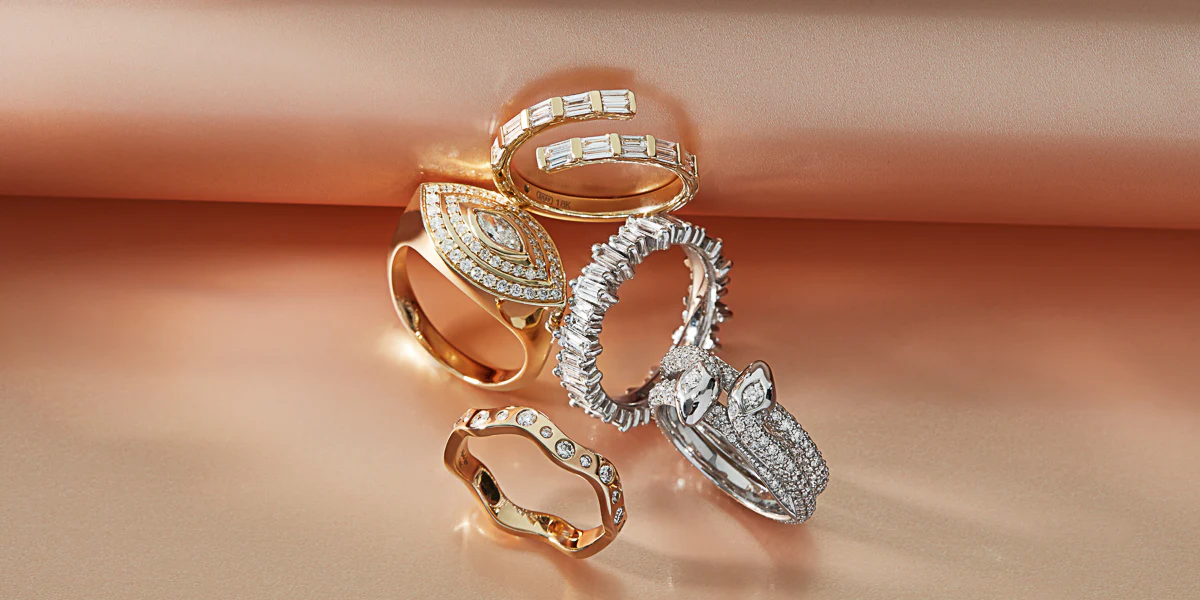

Jewelry has been an integral part of human culture for millennia, serving not only as a decorative element but also as a symbol of identity, wealth, and status. Its evolution reflects historical trends, technological innovation, and personal expression, making it one of the most dynamic and enduring forms of artistry. Understanding jewelry requires examining its historical roots, cultural significance, materials, craftsmanship, and modern innovations.
The Historical Roots of Jewelry
Jewelry is among the oldest forms of personal adornment, dating back to prehistoric times. Early humans used natural materials such as shells, bones, and stones to create adornments that symbolized spiritual beliefs, social hierarchy, and personal identity.
Ancient Civilizations
- Egyptian Jewelry: Known for its gold craftsmanship, Egyptians used jewelry to signify status and spiritual protection. Amulets and scarabs were common, often associated with divine power and protection in the afterlife.
- Mesopotamian Jewelry: This civilization emphasized intricate beadwork and gemstones, highlighting social rank and artistic innovation.
- Greek and Roman Jewelry: Greeks and Romans popularized goldsmithing, gemstone settings, and ornamental designs that celebrated mythology, athletic achievements, and societal roles.
Medieval and Renaissance Jewelry
During the medieval period, jewelry became increasingly elaborate, reflecting political power and religious devotion. Gemstones and precious metals were used to decorate crowns, rings, and necklaces. The Renaissance introduced more intricate designs, portrait miniatures, and enamel work, emphasizing artistry alongside wealth.
19th and 20th Century Jewelry
The Industrial Revolution allowed mass production while maintaining high craftsmanship for luxury pieces. Movements such as Art Nouveau and Art Deco brought new artistic visions, emphasizing organic forms, geometric designs, and innovative materials. The 20th century also saw the rise of iconic jewelry pieces tied to fashion, celebrity influence, and cultural milestones.
Materials and Craftsmanship
The value and appeal of jewelry are deeply tied to the materials used and the skill of the craftsman.
Precious Metals
- Gold: Valued for its luster, malleability, and rarity. Various karats denote purity levels, influencing both quality and price.
- Silver: Popular for its affordability and aesthetic appeal, silver has been used for centuries in rings, necklaces, and ceremonial pieces.
- Platinum: Renowned for its durability and rarity, platinum is often used in high-end jewelry for settings and fine craftsmanship.
Gemstones
Gemstones are central to jewelry, offering beauty, symbolism, and investment value.
- Diamonds: Renowned for brilliance and hardness, diamonds symbolize love and endurance.
- Emeralds, Sapphires, and Rubies: Each gemstone carries unique cultural and historical significance, with colors and origins affecting value.
- Semi-Precious Stones: Amethyst, garnet, and topaz provide versatility and affordability while adding rich color and texture.
Craftsmanship Techniques
Jewelry craftsmanship combines artistic skill with technical precision. Techniques include:
- Casting: Molten metal poured into molds to create intricate designs.
- Stone Setting: Securing gemstones with prongs, bezels, or pavé methods to enhance visual appeal and security.
- Engraving and Filigree: Adding fine details and ornamental patterns to elevate the artistry of each piece.
Jewelry and Cultural Significance
Jewelry reflects cultural beliefs, social norms, and personal identity.
Symbolism and Status
- Rings: Beyond engagement or wedding rings, they can signify allegiance, membership, or achievements.
- Necklaces and Pendants: Often represent spiritual beliefs, personal milestones, or familial connections.
- Cultural Jewelry: Certain designs are deeply tied to heritage, such as Native American beadwork, Indian bangles, or African tribal adornments.
Emotional and Personal Significance
Jewelry often carries deep personal meaning, becoming heirlooms or tokens of affection. Customization, such as engraving initials or dates, enhances emotional resonance. Personalized jewelry allows individuals to express identity, commemorate milestones, and strengthen social bonds.
Modern Innovations in Jewelry
Contemporary jewelry merges traditional craftsmanship with technological innovation, expanding possibilities in design, sustainability, and accessibility.
Sustainable Jewelry
Environmental and ethical concerns have reshaped the industry. Practices include:
- Recycled Metals: Using gold and silver recovered from old jewelry to reduce environmental impact.
- Conflict-Free Gemstones: Ensuring ethical sourcing of diamonds and other precious stones.
- Eco-Friendly Production: Reducing chemical usage and promoting sustainable labor practices.
Technological Advancements
- 3D Printing: Allows complex designs and rapid prototyping, opening creative possibilities.
- Lab-Grown Gemstones: Provide ethical, affordable alternatives to naturally mined stones without compromising quality.
- Wearable Tech: Smart rings and bracelets now combine aesthetics with functionality, tracking health or integrating digital features.
Fashion and Personalization Trends
Modern consumers favor versatility, personalization, and expression. Layered necklaces, stackable rings, and customizable charms allow individuals to curate collections reflecting personal style. Jewelry now serves as both fashion statement and intimate expression of individuality.
Jewelry in Everyday Life
Jewelry enhances everyday life, offering aesthetic pleasure and functional symbolism.
Dressing and Styling
- Jewelry complements personal style and wardrobe, from minimalist daily wear to statement pieces for special occasions.
- Coordinating metal tones, gemstone colors, and design motifs ensures cohesion and sophistication.
Gifts and Commemorations
Jewelry remains a classic choice for meaningful gifts, marking occasions such as birthdays, anniversaries, graduations, and achievements. Its longevity and intrinsic value make it a thoughtful, lasting expression of sentiment.
Investment and Collectibility
High-quality jewelry often appreciates over time, particularly pieces with rare gemstones, iconic designs, or historical significance. Collectors and investors value the craftsmanship, provenance, and market trends, blending aesthetics with financial foresight.
FAQs
Q: How do I choose the right piece of jewelry for someone else?
Consider their personal style, lifestyle, and preferences. Observe the types of jewelry they typically wear and select items that complement their taste and personality.
Q: Are lab-grown gemstones as valuable as natural ones?
Lab-grown gemstones are chemically and physically identical to natural stones. While they may have slightly lower resale value, they are ethically produced, often more affordable, and visually indistinguishable from natural gems.
Q: How should I care for my jewelry to maintain its quality?
Regular cleaning with appropriate solutions, careful storage, and professional inspections ensure longevity. Avoid exposure to harsh chemicals or extreme conditions that could damage metals or stones.
Q: Can jewelry hold cultural or spiritual significance?
Yes. Many pieces are tied to traditions, beliefs, or heritage. Wearing culturally significant jewelry can convey respect, identity, and connection to ancestry.
Q: Is jewelry a good investment?
Certain jewelry, particularly high-quality pieces with rare gemstones or metals, can appreciate in value. Investment potential depends on rarity, craftsmanship, brand recognition, and market trends.
Jewelry is a timeless fusion of art, culture, and personal expression. Its ability to reflect identity, commemorate milestones, and create emotional connections makes it a uniquely enduring form of human creativity. By exploring its history, craftsmanship, cultural significance, and modern innovations, one gains a deeper appreciation for jewelry as both an artistic and social phenomenon.

Comments are closed.