
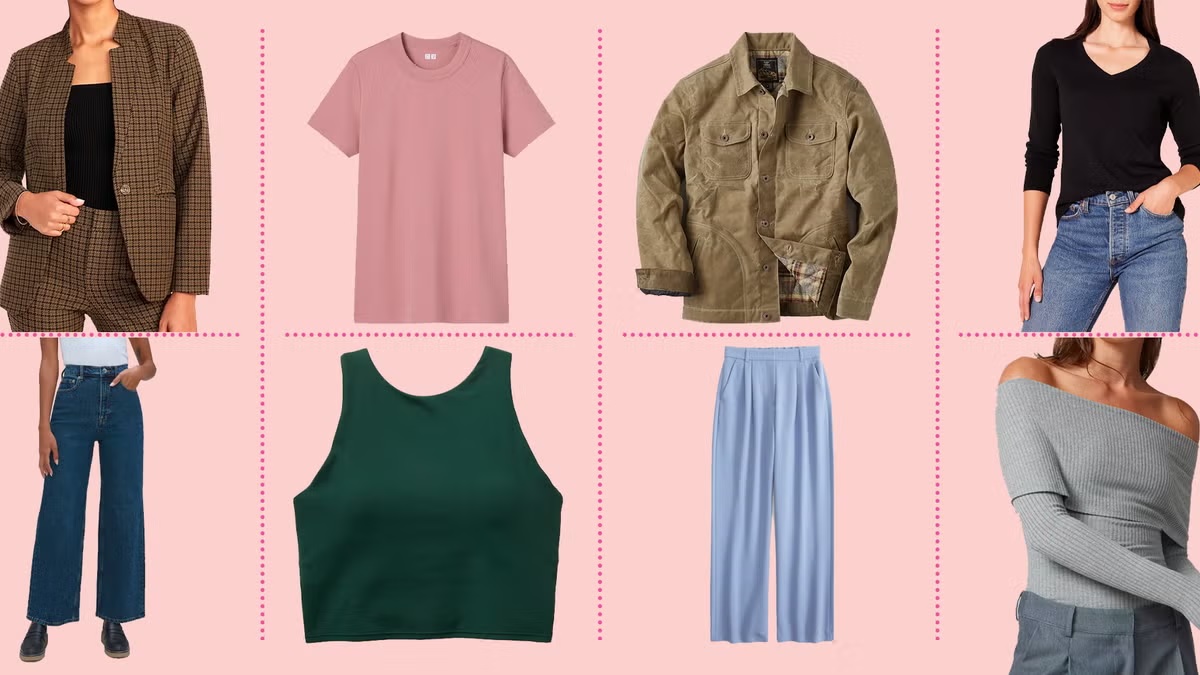

Clothing is more than a mere necessity for covering the body; it represents a complex blend of culture, identity, and functionality. From its historical origins to its role in modern fashion, clothing reflects societal changes, technological advances, and personal expression. Understanding clothing in depth requires examining its materials, design processes, cultural significance, and impact on daily life. This article delves into all these facets to provide a comprehensive view of clothing in the contemporary world.
The History of Clothing
Clothing has evolved significantly throughout human history, shaped by environmental needs, technological progress, and cultural development.
Ancient Beginnings
- Prehistoric Clothing: Early humans primarily used animal skins and natural fibers to protect themselves from harsh climates. These rudimentary garments were functional and reflected survival priorities.
- Textile Invention: Around 5000 BCE, weaving techniques emerged, allowing the production of fabrics from plant fibers like flax and hemp. This innovation marked a shift toward more complex clothing styles.
Clothing in Classical Civilizations
- Egypt: Linen garments dominated due to the hot climate. Clothing also indicated social status, with elaborate jewelry and pleated designs for the elite.
- Greece and Rome: Draped garments such as the toga and chiton were prevalent, emphasizing form and aesthetics over utility.
- Asia: Silk production in China transformed clothing into a luxurious commodity, influencing trade along the Silk Road and spreading styles across continents.
The Middle Ages and Renaissance
During these periods, clothing became an essential marker of social hierarchy. Rich fabrics like velvet, brocade, and intricate embroidery distinguished nobility from peasants. Innovations in tailoring and garment construction began to take shape, laying the foundation for modern fashion design.
Materials Used in Clothing
The choice of material profoundly affects the comfort, durability, and style of clothing. Materials can be broadly categorized into natural and synthetic fibers.
Natural Fibers
- Cotton: Known for breathability and softness, cotton is widely used in casual and formal wear.
- Wool: Excellent for insulation, wool is ideal for colder climates.
- Silk: Luxurious and lightweight, silk is used in high-end fashion and formal attire.
- Linen: Durable and breathable, linen is preferred for summer clothing and traditional garments.
Synthetic Fibers
- Polyester: Durable, resistant to wrinkles, and inexpensive, making it suitable for everyday wear.
- Nylon: Strong and elastic, often used in activewear and outerwear.
- Acrylic: Mimics wool’s properties and is often found in sweaters and knitwear.
- Spandex: Offers stretchability, commonly integrated into sportswear and fitted clothing.
Sustainable Materials
Modern clothing trends emphasize sustainability. Eco-friendly fabrics like bamboo, organic cotton, and recycled polyester reduce environmental impact while maintaining quality and comfort.
Clothing Design and Construction
Creating clothing involves several steps, from conceptual design to final production. Understanding this process reveals the blend of artistry and engineering involved.
Design Process
- Conceptualization: Designers create mood boards, sketches, and color palettes to define the vision.
- Pattern Making: Precise patterns guide the cutting of fabrics, ensuring consistency and fit.
- Prototyping: Initial samples are made to test design functionality, comfort, and aesthetics.
Sewing and Manufacturing
- Handcrafting: High-end garments are often sewn by hand, allowing intricate details and customization.
- Machine Production: Most mass-produced clothing relies on industrial sewing machines, which enhance speed and efficiency.
- Finishing: Processes like embroidery, printing, and dyeing add visual appeal and uniqueness.
Clothing and Cultural Significance
Clothing is a powerful cultural symbol. It conveys identity, beliefs, and social positioning.
Traditional and Ceremonial Clothing
Many societies preserve traditional garments for ceremonies and cultural events. Examples include kimonos in Japan, saris in India, and kilts in Scotland. These garments often carry symbolic meanings and historical importance.
Modern Fashion as Identity
In contemporary society, clothing reflects personal identity and lifestyle. Choices in colors, styles, and brands can signal personality traits, professional roles, or social affiliations. For instance, professional attire conveys authority, while casual streetwear can indicate creativity and individuality.
Gender and Clothing
Clothing also interacts with gender identity. Designers increasingly challenge traditional norms, producing unisex and gender-fluid collections that cater to diverse identities.
Clothing and Functionality
Beyond aesthetics, clothing serves functional purposes. Understanding these functions highlights the importance of selecting appropriate garments for different contexts.
Climate Adaptation
- Cold Weather: Layers, insulated jackets, and thermal fabrics help retain heat.
- Hot Weather: Breathable fabrics like cotton and linen prevent overheating and discomfort.
- Rain and Snow: Waterproof materials like Gore-Tex protect against moisture while maintaining mobility.
Professional and Safety Needs
Certain professions require specialized clothing:
- Uniforms: Military, healthcare, and service sectors use uniforms for identification and professionalism.
- Protective Gear: Firefighters, construction workers, and industrial employees rely on clothing that ensures safety and compliance with regulations.
Athletic Performance
Sportswear and activewear use moisture-wicking fabrics, stretch materials, and ergonomic designs to enhance performance, prevent injury, and provide comfort.
Trends in Contemporary Clothing
Fashion evolves constantly, influenced by technology, social movements, and environmental awareness.
Digital Fashion
Virtual reality and augmented reality enable digital clothing, allowing users to dress avatars or experiment with virtual try-ons. This trend is reshaping retail and consumer engagement.
Sustainable Fashion
Consumers increasingly prioritize eco-conscious brands. Sustainable clothing reduces waste, incorporates recycled materials, and supports ethical labor practices.
Functional Fashion
Blending style and utility, functional fashion incorporates pockets, adjustable fits, and multipurpose designs, appealing to modern lifestyles.
Tips for Selecting the Right Clothing
Choosing appropriate clothing involves considering comfort, style, and longevity. Practical tips include:
- Fabric Awareness: Understanding fiber types ensures comfort and durability.
- Fit and Measurements: Proper sizing prevents discomfort and enhances appearance.
- Versatility: Selecting multi-purpose clothing maximizes wardrobe efficiency.
- Maintenance: Following care instructions preserves fabric quality and appearance.
Frequently Asked Questions About Clothing
What is the most sustainable fabric for everyday wear?
Organic cotton and bamboo fabrics are highly sustainable. They require fewer chemicals during production and are biodegradable.
How do I maintain the quality of delicate fabrics like silk?
Hand wash with mild detergents or use gentle machine cycles. Avoid direct sunlight and high heat when drying.
Why is clothing important in professional settings?
Professional attire conveys competence, respect, and credibility. Dressing appropriately can influence perceptions and interactions in the workplace.
How can I balance fashion trends with timeless style?
Invest in classic pieces like tailored jackets, neutral-toned trousers, and quality shoes, then complement them with trendy accessories or seasonal colors.
What are essential clothing items for a versatile wardrobe?
Key items include:
- Neutral tops and bottoms
- A well-fitted blazer
- Comfortable and stylish shoes
- Outerwear suitable for climate
- Functional accessories like scarves or belts
Clothing is an intricate combination of art, science, and culture, offering more than mere protection or aesthetics. Understanding its history, materials, and societal roles equips individuals to make informed decisions while embracing personal style. Whether prioritizing function, sustainability, or fashion, thoughtful clothing choices enrich daily life and express identity effectively.
This article highlights the significance of clothing in our lives, demonstrating that every piece tells a story, fulfills a purpose, and contributes to the cultural tapestry of society.

Comments are closed.